

Articles
by Alicia Eaton

Sleepovers and Bedwetting: How to Help Your Child Feel Confident Away from Home
Worried about sleepovers or school trips if your child wets the bed? Practical, discreet strategies to help them feel confident, prepared and in control.

Why do children wet the bed? 7 common causes of bedwetting
Bedwetting is far more common than most parents realise, and it usually has nothing to do with laziness or poor habits.

Is your child stuck in bedwetting nappies or pull-ups at night?
Many children stay in night‑time nappies longer than parents expect, often because their bodies simply aren’t ready for dryness yet. Understanding the real reasons behind delayed night‑time progress can help.

Is a messy bedroom the cause of your child's bedwetting?
A cluttered home can quietly add to family stress — and for some children, that extra tension can make bedwetting harder to overcome. By creating calmer spaces and simplifying daily routines, parents can support emotional regulation, reduce overwhelm and make it easier for children to progress toward dry nights.

Is anxiety the cause of your child’s bedwetting?
Anxiety can play a role in bedwetting, but it’s rarely the sole cause. Understanding how stress, sleep patterns and bladder development interact can help parents respond with calm, confidence and the right kind of support — without adding pressure to an already sensitive issue.

Should you 'lift' your child to prevent bedwetting?
Many parents try “lifting” in the hope it will stop bedwetting, but waking a child to use the toilet rarely solves the underlying issue. Understanding what’s really happening in the body — and why lifting can sometimes make things worse — helps families choose approaches that genuinely support long‑term dryness.

The No. 1 reason parents fail to solve bedwetting
Parents often try everything to stop bedwetting, but many of the real causes lie beyond a child’s conscious control. Understanding what’s happening in the brain and body can help families shift from frustration to practical, effective support.

Staying Positive for your child to beat Bedwetting
Staying positive when your child is struggling with bedwetting isn’t always easy, but your mindset makes a powerful difference.

How 10-year old Hannah solved her bedwetting problem.
Hannah’s story shows that bedwetting isn’t a sign of laziness — it’s a developmental challenge that can be overcome with the right support. By understanding the underlying causes and making a few targeted changes, families can help children move toward dry nights with confidence and calm.

Is deep sleeping the cause of bedwetting?
Deep sleep is often blamed for bedwetting, but the real story is more nuanced. Understanding how sleep cycles, bladder signals and brain‑body communication interact can help parents support their child with calm, clarity and confidence.

Does bed wetting run in families?
Bedwetting often feels mysterious, but genetics can play a surprisingly strong role. Understanding how family history, sleep patterns and bladder development interact can help parents respond with reassurance, patience and the right kind of support.

Can Star Charts help solve bedwetting?
Star charts can be motivating for many behaviours, but bedwetting is different — it’s not something a child can control while asleep. Understanding why reward systems often fall flat in this area helps parents avoid frustration and focus on strategies that genuinely support night‑time dryness.

Nightmares, night terrors and sleepwalking
Night-time fears can take many forms, from vivid nightmares to sudden night terrors and episodes of sleepwalking. These disturbances are common in young children and often linked to overtiredness, stress, or changes in routine. Understanding what’s happening during these episodes helps parents respond calmly, keep their child safe, and reduce the chances of them recurring.

How bedwetting can impact mental health.
Bedwetting can take a quiet toll on a child’s confidence, often leaving them feeling embarrassed, anxious or different from their peers. Understanding the emotional impact — and responding with calm, compassionate support — can make a powerful difference to their wellbeing.

Improving production of the Anti-Diuretic Hormone naturally
A lack of the anti-diuretic hormone Vasopressin can be a cause of your child’s bedwetting. It’s possible to increase production naturally.

Is Medication for Bedwetting the Answer?
Medication can feel like a quick fix for bedwetting, but it’s rarely the whole solution. Understanding what these treatments can — and can’t — do helps parents make informed choices and focus on long‑term strategies that support genuine night‑time dryness.

Will offering a reward help stop your child’s bedwetting?
Rewards can be powerful motivators for many behaviours — but bedwetting is different. Because children can’t control night‑time wetting while asleep, reward systems often create pressure rather than progress. Understanding why helps parents shift toward strategies that genuinely support confidence and long‑term dryness.

Do some food and drinks cause bedwetting?
Certain foods and drinks can make bedwetting more likely, especially those that irritate the bladder or increase urine production. Understanding these triggers helps parents make small, strategic changes that support calmer nights and more consistent dryness.

How mouth-breathing habits contribute to bedwetting
Many children who struggle with bedwetting also show signs of mouth‑breathing, a habit that disrupts sleep quality and affects how the body regulates urine production at night. Understanding why mouth‑breathing happens—and how to gently correct it—can make a meaningful difference to a child’s progress.

Is toothpaste making your child’s bedwetting worse?
Some toothpastes contain ingredients that can irritate a child’s bladder, making night‑time wetting more likely. Understanding which additives cause problems—and how to choose gentler alternatives—can make a noticeable difference to a child’s progress.

Managing the Christmas holidays with a bedwetting child or teen
The Christmas holidays can be stressful for children who struggle with bedwetting. Disrupted routines, late nights and excitement often make symptoms worse. With a few simple adjustments, families can reduce pressure, protect sleep, and help children feel more confident during the festive season.
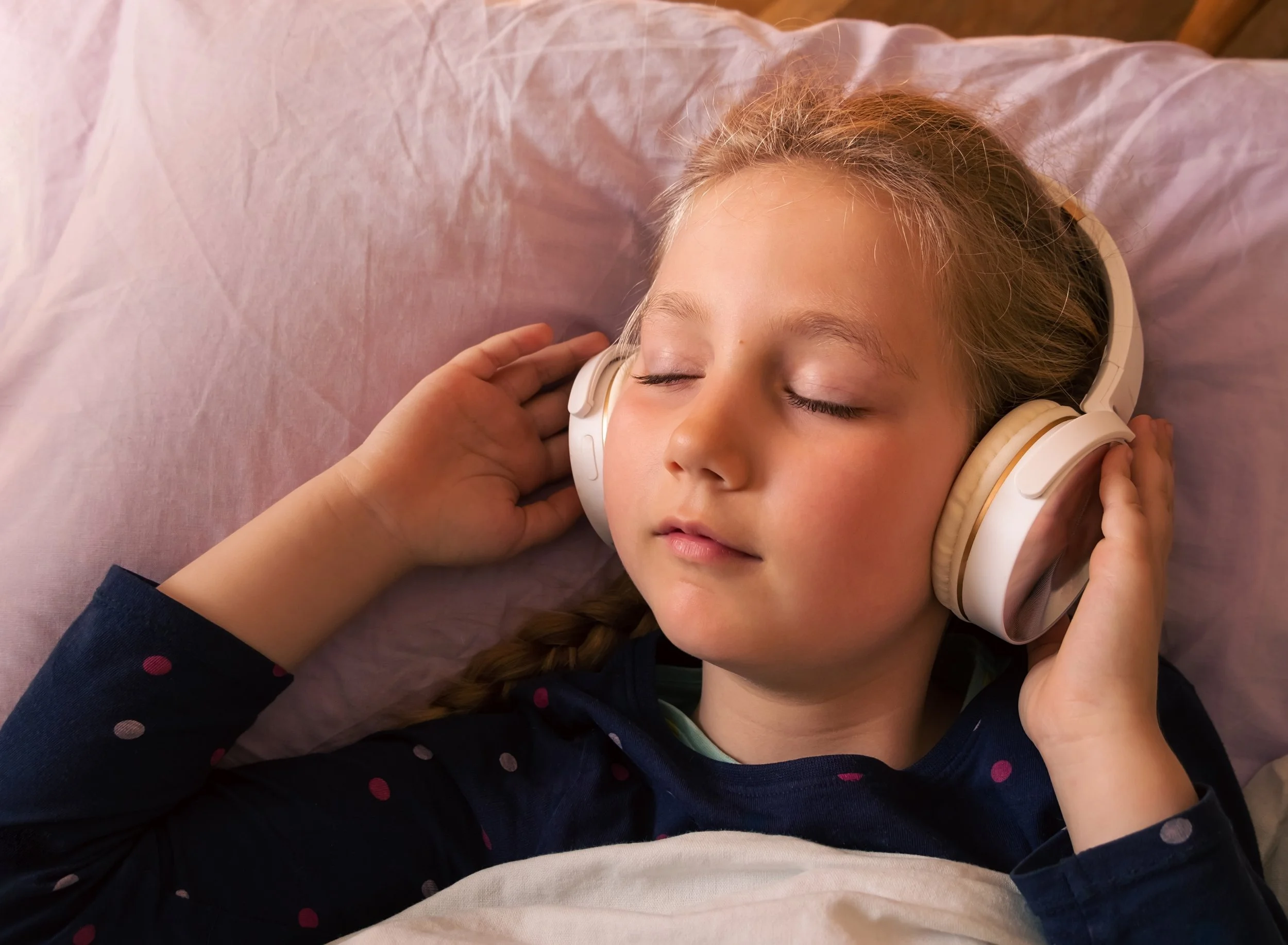
Hypnotherapy for children
Hypnotherapy offers children a gentle, effective way to manage anxiety, build confidence and overcome unhelpful habits. By tapping into the imagination and calming the nervous system, it helps young people feel more in control and better equipped to handle everyday challenges.

Bedwetting Survey Results
Understanding what parents have tried — and what actually works — is key to solving bedwetting. This survey gathers real‑world experiences to highlight the most effective strategies, the common pitfalls, and the support families need to help children achieve dry nights with confidence.

Children’s mental health challenges can be difficult for parents too.
Additional support from Alicia for yourself, can make all the difference.
Work with me


Consultations
These can be face-to-face in Harley Street or online video calls on Zoom - distance is no longer a problem and out-of-hours appointments are also available.

Monthly Coaching
These sessions are online via Zoom, but you can add an extra face-to-face consultation in London too. You’ll have extra help, regular feedback and up to two calls a week.

Bespoke Support
This service will be tailored to your family’s needs and a bespoke package will be created to suit you.