Improving production of the Anti-Diuretic Hormone naturally
Antidiuretic hormone (ADH), also called vasopressin, is a natural hormone the body releases at night to tell the kidneys to slow down urine production while a child sleeps. In most children, ADH levels rise in the evening so the bladder fills slowly and they can stay dry until morning.
If a child doesn’t make enough ADH at night, the kidneys keep working as if it’s daytime, producing a larger amount of urine than the bladder can comfortably hold. This can lead to bedwetting even when the child is healthy, motivated, and has good bladder control during the day.
Nighttime ADH follows the body’s sleep rhythm and breathing quality. Anything that improves those two things tends to support proper ADH release at night.
Below is a step-by-step guide with simple things you can do at home.
1. Support Nasal Breathing
ADH release is strongly linked to smooth, easy breathing during sleep. If a child mouth-breathes, snores, or has nasal blockage, the brain receives “stress signals,” which can suppress ADH. Clear the nose before bed - Try one or more of these:
Saline nasal spray or rinse
Warm shower before bed
Humidifier in dry climates
A small dab of Vaseline or barrier balm at the nose entrance (reduces irritation)
Allergy-control steps (see below)
Reduce nasal allergies - a major cause of poor nasal breathing. Helpful steps:
Wash bedding weekly
Vacuum with a HEPA filter
Use dust-mite covers on pillows and mattress
Consider a HEPA air purifier
Keep pets out of the bedroom
Encourage daytime nasal breathing. The more a child uses the nose in the day, the stronger their nasal passages become. Habits that help:
“Tongue up, lips closed” reminders
Drinking from open cups (not sippy cups)
Avoiding long-term pacifier or thumb-sucking
Chewing firmer foods (apple slices, carrots, bagels)
Even these small changes help nighttime breathing — and therefore ADH signaling.
2. Improve Sleep Quality & Rhythm
ADH follows the body clock, so anything that strengthens the sleep rhythm helps. Try to keep bedtime and wake time within 30 minutes each day — even weekends. Ensure your child has 10–15 minutes of natural light within the first hour of waking. This strengthens the brain’s master clock, which regulates melatonin and ADH.
Reduce bright screens in the hour before bed - Too much light tells the brain it’s still daytime. Turn screens off 60 minutes before bed, or at the very least, turn on “night mode” and lower screen brightness
This trains the brain to enter deep sleep more quickly. Other helpful ideas:
Bath/shower
Books
Dim lights
Soft music, calming sounds, listening to mindfulness meditations or hypnosis.
Regular, predictable routines boost the night hormones.
3. Encourage Healthy Breathing During Sleep
Side-sleeping - Sleeping on the back can worsen mouth-breathing and snoring.
Slightly elevated head position - A thin extra pillow or a wedge can help open the airway.
Nasal strips (age-appropriate) - These gently widen the nasal passages and can make nasal breathing easier.
Myofunctional therapy exercises - These strengthen the muscles of the tongue and airway.
Simple exercises include:
Tongue-to-the-spot (roof of the mouth behind front teeth)
Balloon blowing
Wide smile → lips together → proper swallow
Just 5 minutes a day helps.
4. When to Seek Professional Help
Seek an ENT or pediatrician evaluation if:
snoring happens more than 3 nights a week
your child mouth-breathes even when awake
sleep seems restless or heavy
bedwetting is accompanied by very heavy overnight urine
your child has a constantly blocked nose
tonsils look large or touching
Sleep-disordered breathing is one of the most treatable causes of low nighttime ADH. If your child:
produces a lot of urine at night
sleeps deeply
mouth-breathes or snores
and is totally fine during the day
Then low nighttime ADH due to sleep and breathing patterns is likely, and improving nasal breathing + sleep quality is the most effective natural support.
Read more here:Ideas for exercises to encourage mouth-breathing.
If your child is still wetting the bed.
Bedwetting can feel frustrating and confusing, especially when it doesn’t seem to be improving.

About the author
Alicia Eaton is a Behaviour Change Psychotherapist based in London's Harley Street for over 20 years, working with families, supporting both adults and children, helping to tackle difficult problems such as anxiety, bedwetting, eating and weight issues. She also offers advice and training to schools, teachers, clinicians and professionals working with children.
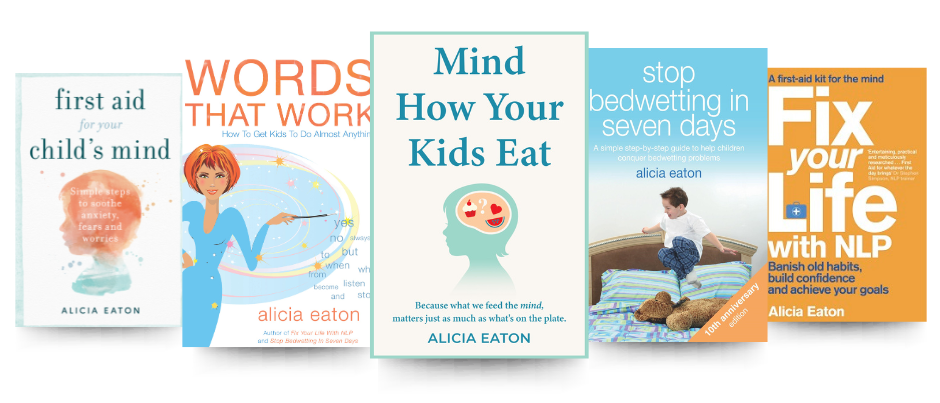
Alicia is the author of several best-selling books including ‘Stop Bedwetting in 7 Days’, recommended by NHS hospital clinics and ‘First Aid for your Child’s Mind', now published around the world in seven different languages.
Her latest book ‘Mind How your Kids Eat’ gives psychological insights into how our children learn to eat and what to do about food fussiness, sensory sensitivities, ARFID, junk food cravings and weight issues.