
Is anxiety the cause of your child’s bedwetting?
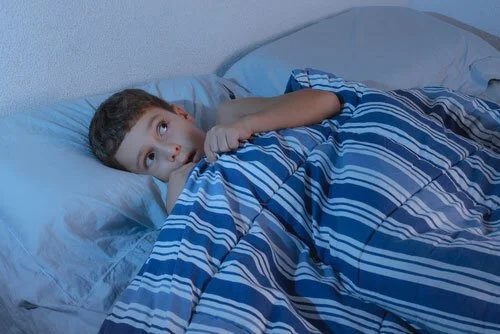
Bedwetting in young children is a common problem, especially in the under-fives, but is it anxiety-related? According to figures published by the British Medical Journal, at the age of five as many as 20 children in 100 will have difficulty in controlling their bladders at night-time and continue to accidentally wet their beds.
It’s often thought that stress or anxiety is the main cause of this bedwetting problem, but in reality there are many other reasons for this habit to persist – from the size of the bladder; a urinary tract infection or something that runs in families; a lack of hormones or simply a habit that’s tough to break.
How to determine whether anxiety is the cause
So if your child is one who is still suffering from accidental wet beds at night, how can you be sure that stress and anxiety is not the cause?
Bedwetting – or nocturnal enuresis, to use the medical term – can be defined as being ‘primary’ or ‘secondary’. The majority of children, who have simply never become dry and have had the bedwetting problem all their lives fall into the ‘primary’ category.
In a minority of cases, there can be a sudden onset of bed wetting. If your child has been dry at night for several months or even years and starts having wet beds again, then this can be caused by an emotional upset and can be defined as being ‘secondary nocturnal enuresis’.
What might be the cause of secondary enuresis
Causes of this type of bedwetting can be stress or anxiety-related for reasons such as:
an illness
starting or changing schools
moving home
divorce
birth of a sibling
death of a grandparent or relative
death of a pet
bullying at school
holiday trip abroad with strange toilets and unusual foods
This type of bedwetting is usually temporary and not the same as an ongoing bedwetting problem – most parents know their children and will be able to tell the difference. If your gut feeling is that the explanation for the bedwetting is an emotional one, try to keep calm and offer your child as much support as possible during this tricky time. Encourage them to open up and talk about their bedwetting problem - quite often new information comes out in regular conversations and you might find they’re able to pinpoint the reason for it.
If your child is still wetting the bed.
Bedwetting can feel frustrating and confusing, especially when it doesn’t seem to be improving.

About the author
Alicia Eaton is a Behaviour Change Psychotherapist based in London's Harley Street for over 20 years, working with families, supporting both adults and children, helping to tackle difficult problems such as anxiety, bedwetting, eating and weight issues. She also offers advice and training to schools, teachers, clinicians and professionals working with children.
Alicia is the author of several best-selling books including ‘Stop Bedwetting in 7 Days’, recommended by NHS hospital clinics and ‘First Aid for your Child’s Mind', now published around the world in seven different languages.
Her latest book ‘Mind How your Kids Eat’ gives psychological insights into how our children learn to eat and what to do about food fussiness, sensory sensitivities, ARFID, junk food cravings and weight issues.