Is toothpaste making your child’s bedwetting worse?
When it comes to helping your child stop bedwetting, most parents don’t think to take a closer look at their toothpaste. But surprisingly, certain ingredients in children’s toothpaste might be playing a part in nighttime accidents.
Many toothpastes, even those designed for children, contain a foaming agent called sodium lauryl sulfate (SLS). While SLS is great at making toothpaste foam, it can also irritate the bladder in some children. This irritation may lead to increased urgency or a reduced ability for the bladder to hold urine overnight. In some cases, children may also swallow small amounts of toothpaste while brushing, which can further contribute to bladder sensitivity.
Another ingredient to watch out for is artificial flavourings and sweeteners, often used to make toothpaste more appealing for kids. These, too, can irritate the bladder in some children, increasing the likelihood of bedwetting.
What Can Parents Do?
Switch to a Natural Toothpaste: Look for brands that are free of SLS, artificial flavours, and sweeteners. Natural toothpastes are gentle and still effective at keeping teeth clean.
Teach Proper Brushing Habits: Encourage your child to spit out toothpaste after brushing to avoid swallowing any residue.
Monitor Their Reaction: Once you switch toothpaste, keep an eye on your child’s bedwetting habits over the next few weeks. You may notice a reduction in nighttime accidents.
It’s amazing how small changes, like swapping toothpaste, can make a big difference. Bedwetting is often caused by a combination of factors, and identifying irritants like toothpaste can be an important piece of the puzzle. By making this simple adjustment, you may be one step closer to helping your child wake up dry and confident.
NEED MORE HELP?
CHECK OUT THE ONLINE PROGRAMMES TO HELP YOUR CHILD OR TEEN SOLVE BEDWETTING FASTER.

About the author
Alicia Eaton is a Behaviour Change Psychotherapist based in London's Harley Street for over 20 years, working with families, supporting both adults and children, helping to tackle difficult problems such as anxiety, bedwetting, eating and weight issues. She also offers advice and training to schools, teachers, clinicians and professionals working with children.
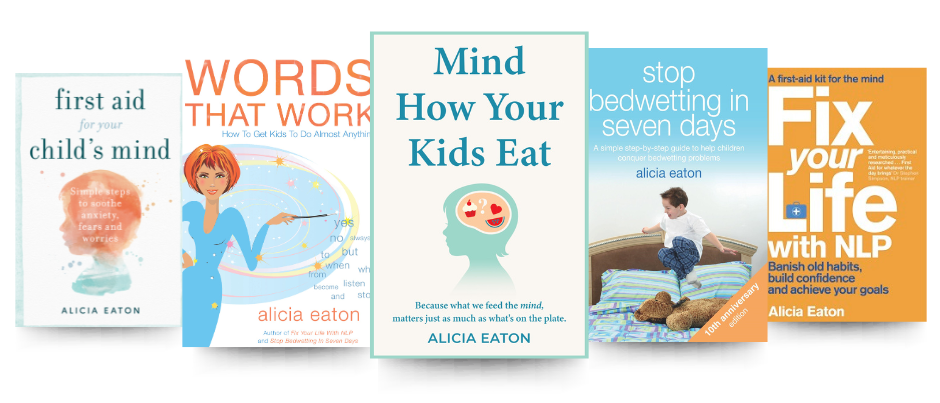
Alicia is the author of several best-selling books including ‘Stop Bedwetting in 7 Days’, recommended by NHS hospital clinics and ‘First Aid for your Child’s Mind', now published around the world in seven different languages.
Her latest book ‘Mind How your Kids Eat’ gives psychological insights into how our children learn to eat and what to do about food fussiness, sensory sensitivities, ARFID, junk food cravings and weight issues.