
Children & Food: Fussy Eating, Food Anxiety, ARFID and Cravings
Understanding Modern Eating Challenges in Children
For many families, food has quietly become one of the most stressful parts of everyday life.
What starts as fussy eating in the early years can develop into anxiety around food, strong sensory aversions, constant snacking, weight concerns or a fear of getting it wrong. Mealtimes that were once simple can begin to feel loaded with pressure, negotiation and worry — for parents and children alike.
Today’s children are growing up in a very different food environment to previous generations. Ultra-processed foods, constant stimulation, social media messaging and well-meaning but confusing advice mean that eating is rarely just about hunger anymore.
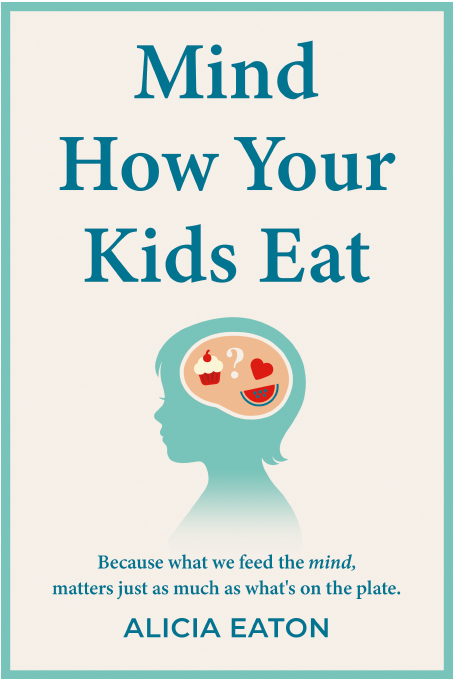
My work in this area is shaped by more than two decades of clinical experience with children and families, and explored in depth in my latest book, Mind How Your Kids Eat.
This is not a book about nutrition plans, calorie counting or telling families what they should or shouldn’t eat. Instead, it looks at the emotional, sensory and psychological factors that shape a child’s relationship with food — often long before anyone realises there is a problem.
Because what children absorb about food emotionally matters just as much as what’s on the plate.
Food Fussiness
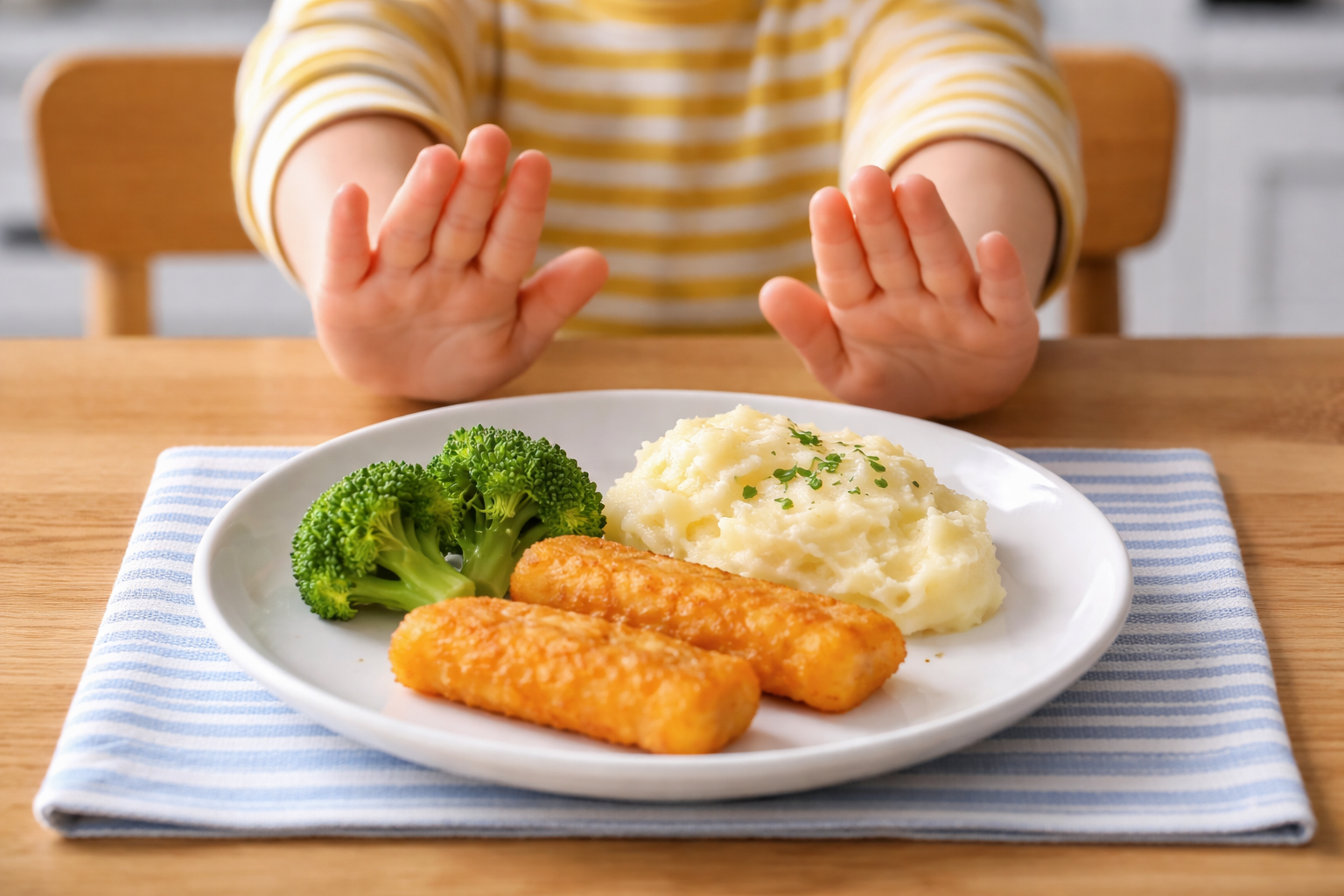
Many children go through phases of refusing foods, eating the same meals on repeat, or reacting strongly to certain tastes and textures. While this can be deeply frustrating for parents, food fussiness is rarely about stubbornness or bad behaviour.
In my work as a therapist, I see again and again that fussy eating is often linked to a child’s nervous system, sensory processing, emotional development – or just fluctuating appetite levels and not a lack of willingness to eat ‘properly. Pressure, bribery or battles at the table rarely make things better.
The good news is that fussy eating can be gently improved when parents understand why it’s happening and make small, psychologically informed changes that help children feel safe and in control around food.
Read my article on Food Fussiness for more information.

Food Anxiety& Sensory Sensitivities
Some children don’t just refuse food - they feel genuinely anxious around eating. They may worry about being sick, avoid certain textures or smells, struggle with mixed foods, or become distressed when faced with unfamiliar meals. For these children, eating can feel unpredictable and unsafe.
Food anxiety in children often develops when the nervous system becomes over-alert, sometimes following illness, vomiting, choking scares, or heightened anxiety during the pandemic years. Other children experience food more intensely on a sensory level, making tastes, textures or smells feel overwhelming rather than neutral.
ARFID - Avoidant/Restrictive Food Intake Disorder - is now a recognised diagnosable eating disorder that affects both children and adults.
In these situations, pressure to eat or ‘just try’ foods usually increases fear and avoidance. Progress comes from understanding what’s driving the anxiety, reducing threat at mealtimes, and helping children feel safe enough for curiosity and appetite to return.
Read my article on Food Anxiety and ARFID for more information.

Snack Food Cravings, Sugar & Dopamine
Many parents worry that their child is constantly asking for snacks, sweets or treats - often shortly after meals. Saying ‘no’ can lead to meltdowns, bargaining or endless negotiations, leaving parents feeling exhausted and unsure where to draw the line.
Highly processed foods are designed to stimulate the brain’s reward system, releasing dopamine and creating a powerful desire to repeat the experience. For children, whose brains are still developing, this pull can be especially strong - particularly when food is also being used to manage boredom, tiredness or emotions.
Understanding the psychology behind cravings helps parents respond with clarity rather than guilt, and support children in learning to recognise what their body and emotions are really asking for.
Read my article on sugar cravings and how to say ‘no’ to your child.

When Weight Becomes a Worry
It’s a sad fact that growing up in today’s environment means we will be seeing more children struggling with weight problems and health related issues.
Most parents worried about their child’s weight, feel unsure what to do about it - and what to say - without causing harm. Concerns about health, confidence or bullying often sit alongside an awareness that diet talk and comments about weight can be deeply damaging.
Children are highly sensitive to how food, bodies and health are discussed. Even well-intentioned conversations about weight can increase shame, anxiety or disordered eating if handled too directly or too early.
Supporting a child when weight is a concern starts with understanding why weight changes happen, and learning how to respond in ways that protect emotional wellbeing, confidence and long-term health.
Read my article on how to support a child when weight is a worry.