When Teenagers Say ‘It’s Fine’: The Hidden Anxiety Behind Frightening News
We’ve become used to children seeing difficult things on the news. War, natural disasters, political unrest - it scrolls past us daily. But there is something particularly unsettling when violence appears in places that look familiar - airports, hotels, holiday destinations, shopping centres - places that might resemble somewhere your own family would visit and places naturally associated with fun and relaxation.
Younger children tend to show their anxiety quite clearly. They ask questions and seek reassurance, wanting to know if it could happen to them.
Teenagers are different. Very often, they appear unaffected.
They’ll shrug, say ‘it’s fine’ and go back to their phones, won’t they?
But that doesn’t mean nothing is happening internally.
The Teenage Brain Is Still Adapting
In my book First Aid for Your Child’s Mind, I explain how children absorb the culture of their time and place almost by osmosis. They’re constantly adapting to their environment and today, that environment is global, digital and relentless.
Teenagers are forming their identity at the same time as they are being exposed to an endless stream of commentary, footage and opinion. They’re not just seeing the event itself, they’re seeing reactions to it.
And that matters. Because anxiety is not only triggered by danger, it’s triggered by perceived threat.
Why They Don’t Always Show It
There are several reasons teenagers may look calm while feeling unsettled.
1. They don’t want to appear childish.
Adolescence is a stage where young people are working hard to establish independence. Asking, “Are we safe?” can feel like something a younger child would do. So they don’t ask.
2. They process internally.
Some teenagers retreat into thought rather than conversation. You may notice more scrolling, more time alone in their room, or shorter answers than usual.
3. Anxiety changes shape in adolescence.
Instead of tears at bedtime, it may show up as:
Irritability
Snappiness
Disturbed sleep
Changes in appetite
An increase in screen time
In my clinical work, I often remind parents that anxiety doesn’t always look like fear. Sometimes it looks like moodiness.
The Digital Difference
Unlike previous generations, teenagers rarely consume news in a linear way. They encounter it through social media feeds, short clips, dramatic headlines and peer commentary.
Algorithms prioritise what is shocking and footage is often replayed.
The brain reacts to repeated exposure as if the event is happening again and again. When frightening images are replayed repeatedly on a screen, the nervous system doesn’t always distinguish between ‘live danger’ and ‘digital repetition’. And these stress chemicals can linger in the system long after the threat has passed.
How to Start the Conversation (Without Interrogating)
Direct questioning can backfire.
“Are you worried?” will be quickly answered with a “No”. That’s your conversation over.
Instead, try something less confrontational:
“What are people saying about this at school?”
“Have you seen much about it online?”
“What do you make of it?”
This invites reflection but you’re not assuming they’re anxious so you’re opening the door to a conversation.
Match the Reassurance to the Teen
In my work, I often talk about how we each process experience slightly differently - through what we see, what we hear and what we physically feel. So we all have what I like to call a ‘calming preference’
Some teenagers will need to talk things through, others will prefer the physical touch of a hug or cuddle and others regulate best through activity: a run or a gym session, cooking and music.
When you identify your teen’s preference and then match it, you notice how much more effective this can be.
Mind your Language
Teenagers are listening, even when they appear not to be.
Dramatic adult commentary such as:
- The world’s going mad
- Nowhere is safe anymore
- It’s terrifying
may be absorbed more deeply than you realise. Children and teenagers build internal pictures from the language around them. Those pictures influence how safe the world feels.
Use reassuring phrases such as:
- It’s a serious situation, but it’s being handled
- Events like this are rare, even though they receive a lot of coverage
- We’re safe here
When to Look More Closely
Most teenagers will process frightening news without long-term impact, particularly if things at home feel steady.
However, seek additional support if you notice:
Ongoing sleep disruption
Withdrawal from friends
Persistent irritability
Physical symptoms such as headaches or stomach aches
A marked change in eating habits
Anxiety is highly treatable. It is often more like an emotional bruise than a permanent condition and early intervention makes recovery quicker.

About the author
Alicia Eaton is a Behaviour Change Psychotherapist based in London's Harley Street for over 20 years, working with families, supporting both adults and children, helping to tackle difficult problems such as anxiety, bedwetting, eating and weight issues. She also offers advice and training to schools, teachers, clinicians and professionals working with children.
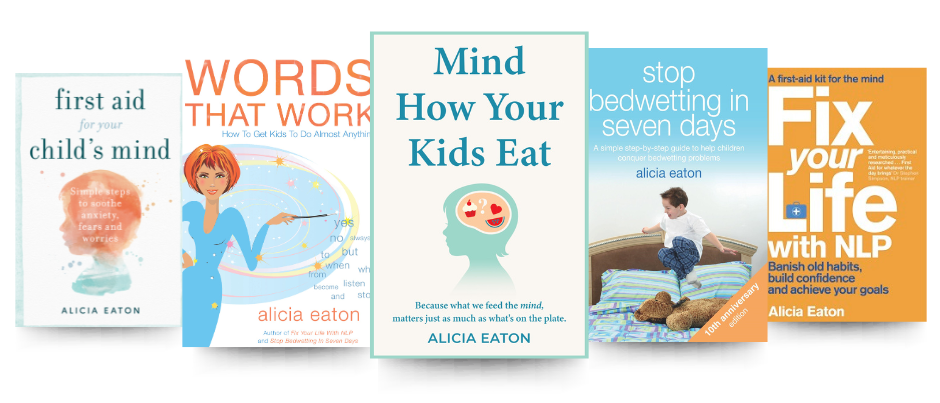
Alicia is the author of several best-selling books including ‘Stop Bedwetting in 7 Days’, recommended by NHS hospital clinics and ‘First Aid for your Child’s Mind', now published around the world in seven different languages.
Her latest book ‘Mind How your Kids Eat’ gives psychological insights into how our children learn to eat and what to do about food fussiness, sensory sensitivities, ARFID, junk food cravings and weight issues.