What is hypnotherapy?
Hypnotherapy can be a useful, safe and much quicker approach in helping individuals manage and reduce anxiety as it works on so many different levels.
Can hypnotherapy aid relaxation?
Hypnotherapy often starts with relaxation techniques that reduce overall stress levels, helping you to feel more comfortable.
Gaining access to the subconscious
Once you begin to feel relaxed, the conscious mind automatically switches off, giving the therapist access to the subconscious part of your mind. This is useful as it’s where many anxiety triggers and behaviours are stored. Over time, your negative thought and behaviour patterns become embedded in this part of your mind and turn into your regular habits. So even if you want to stop behaving and thinking in a certain way, it can be hard to change - you find yourself operating on ‘auto-pilot’. Hypnotherapy is the most effective tool for changing these types of habits.
Desensitisation or resetting phobias
For specific phobias or anxieties related to certain situations or objects, (eg. fear of flying, heights, medical procedures, stage-fright, spiders, snakes) hypnotherapy can help to desensitise you to the fear, by gradually exposing you to it in a relaxed state. Your imagination becomes a very useful tool in this instance, as it’s possible to ‘mentally rehearse’ behaving just the way you’d like yourself to be able to - with complete confidence.
Behavioural changes
Suggestions can also be made during hypnosis, to help you change behaviour patterns that occur because of anxiety but that at the same time, are likely to be making the problem worse eg. overeating, excessive alcohol consumption, nail-biting, hair-pulling. procrastination, insomnia.
Skill building
During a hypnotherapy session, your therapist will teach you relaxation and coping techniques that you can use outside of sessions. These skills can include deep breathing exercises, visualisation and self-hypnosis, which are powerful tools for managing anxiety.
Improving sleep
Anxiety often disrupts sleep patterns. Hypnotherapy can help you achieve deeper, more restorative sleep, which can have a positive impact on anxiety levels.
Tailored approach
Hypnotherapy can be customised to your specific needs and triggers, making it a highly personalised approach to anxiety management.
About the Author
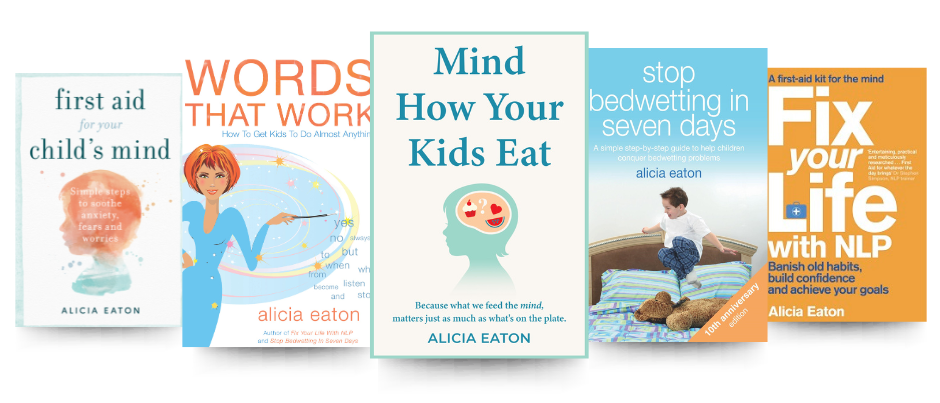
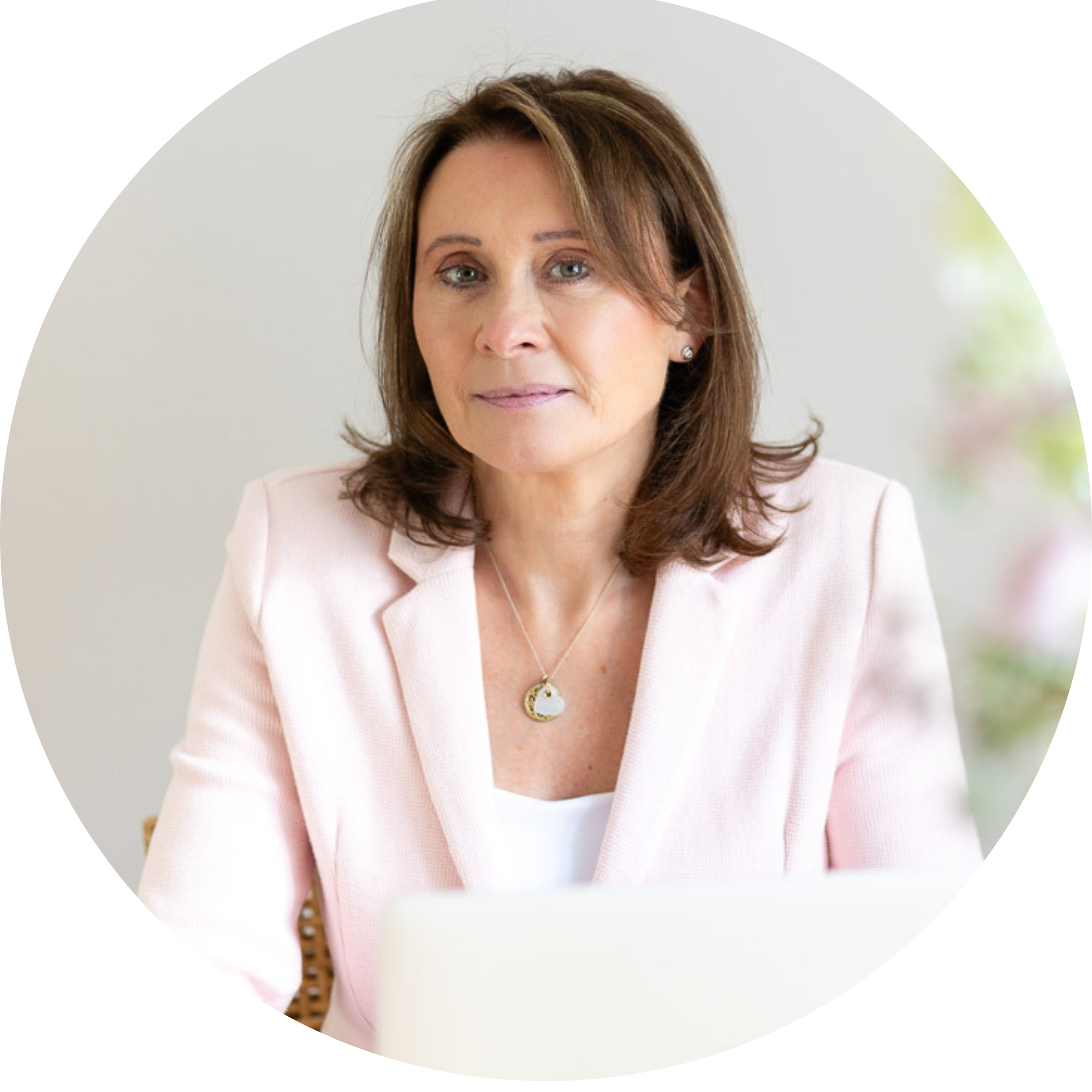
Alicia Eaton is a Behaviour Change Psychotherapist based in London's Harley Street for over 20 years, working with families, supporting both adults and children, helping to tackle difficult problems such as anxiety, bedwetting, eating and weight issues. She also offers advice and training to schools, teachers, clinicians and professionals working with children.
Alicia is the author of several best-selling books including ‘Stop Bedwetting in 7 Days’, recommended by NHS hospital clinics and ‘First Aid for your Child’s Mind', now published around the world in seven different languages.
Her latest book ‘Mind How your Kids Eat’ gives psychological insights into how our children learn to eat and what to do about food fussiness, sensory sensitivities, ARFID, junk food cravings and weight issues.