How to stop your child’s ‘food noise’
Understanding food noise, emotional eating and how to teach children real hunger cues
Does it feel like your child is always asking for food?
If you keep hearing ‘I’m hungry’ ten minutes after they’ve eaten and snacks seem to dominate family life, you’re not alone.
More and more parents are telling me that food has become a constant topic in their home. And there’s a very valid reason for that. We’re simply not raising children in the same food environment we grew up in.
Ultra-processed snacks are everywhere and food advertising is hard to avoid. Eating is presented as something we should be doing all day long – so it’s not surprising that many children are thinking about food far more than previous generations did.
This is now being described as food noise. And children are increasingly likely to struggle with it in the same way many adults do.
Food noise refers to constant background thoughts about food – what to eat next, what’s available, what they’re craving – even when the body doesn’t actually need fuel. For children, whose brains are still developing skills such as impulse control, emotional regulation and body awareness, this can feel especially overwhelming.
It isn’t a willpower problem, it isn’t a parenting failure and it isn’t because your child is greedy. Constant thoughts about food are often misinterpreted as a lack of self-control, when in reality they’re a normal response to an environment that never gives us a break from food cues.
Most of the time, it isn’t even about hunger. Nowadays ‘I’m hungry’ doesn’t necessarily mean hunger.
Today's children are going to have to be taught how to recognise what physical hunger actually feels like, because all too often food has become the automatic response to:
· Tiredness
· Boredom
· Stress
· Anxiety
· Overwhelm
· Wanting comfort
· Wanting connection
In other words, food has quietly taken on many roles that it was never designed to fill. And when that happens, children can start to believe that eating is the solution to every uncomfortable feeling – which is something that can follow them into adulthood.
That's why I've created a special Feelings Menu.
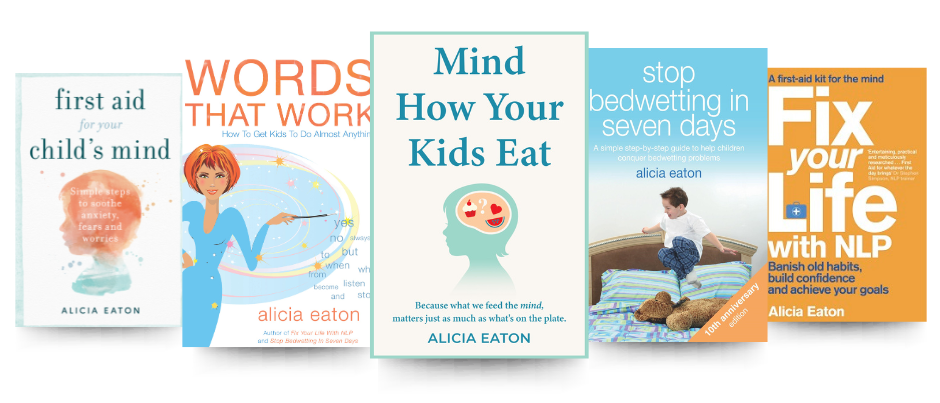
It’s a child-friendly, visual tool from my latest book Mind How Your Kids Eat and I’m giving you a free PDF copy here.
I recommend downloading and printing a copy to stick on your fridge door or anywhere else that's handy. So next time your child tells you they're hungry but you suspect they're probably not really, you can use this simple guide.
Instead of asking ‘Are you sure you’re really hungry?’ (which can feel a bit accusatory) you might say something like:
‘Hmmm… it’s not long since lunch – let's take a look at the Feelings Menu and see what your body might be trying to tell us.’
It's not about denying them food or creating guilt – it's about building awareness. Helping your child notice whether they're thirsty, bored, tired or simply in need of a cuddle, gives them tools they can use for life.
Over time, this gentle approach helps turn down the volume on food noise. Children begin to trust their bodies more, rely less on constant snacking, and develop a healthier relationship with food without pressure or power struggles.
I hope you find it useful.
In my new book Mind How Your Kids Eat, I talk a lot about this idea because when we change how children think about food, their behaviour naturally changes too.
We don’t need perfect meals, strict rules or constant battles - just small consistent steps and small shifts that add up.
If this is something you’re noticing with your child, I explore it in much more detail in my book Mind How Your Kids Eat.
Understand what’s really driving children’s eating behaviours - and how to approach them in a calm and practical way.

About the author
Alicia Eaton is a Behaviour Change Psychotherapist based in London's Harley Street for over 20 years, working with families, supporting both adults and children, helping to tackle difficult problems such as anxiety, bedwetting, eating and weight issues. She also offers advice and training to schools, teachers, clinicians and professionals working with children.
Alicia is the author of several best-selling books including ‘Stop Bedwetting in 7 Days’, recommended by NHS hospital clinics and ‘First Aid for your Child’s Mind', now published around the world in seven different languages.
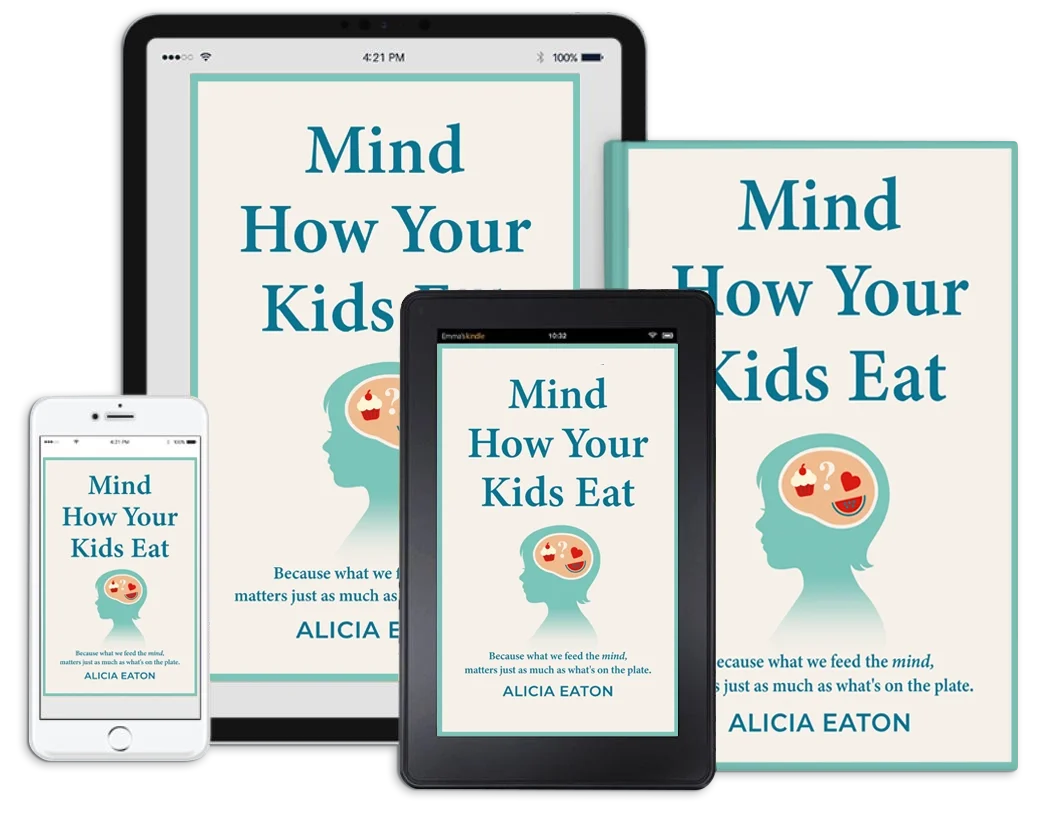
Her latest book ‘Mind How your Kids Eat’ gives psychological insights into how our children learn to eat and what to do about food fussiness, sensory sensitivities, ARFID, junk food cravings and weight issues.